


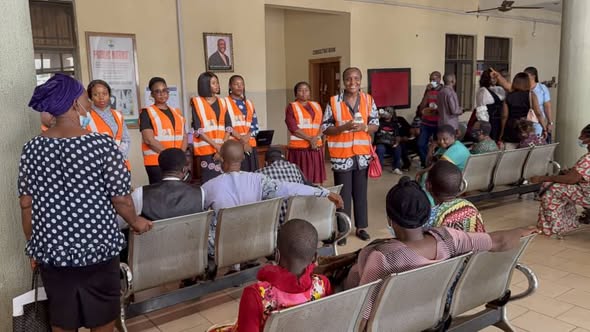
COOUTH COMMUNITY MEDICINE DEPARTMENT MARKS WORLD TUBERCULOSIS DAY WITH FREE TESTING AWARENESS
Posted On: 2026-04-12 09:11:21
COOUTH COMMUNITY MEDICINE DEPARTMENT MARKS WORLD TUBERCULOSIS DAY WITH FREE TESTING AWARENESS As part of activities marking World Tuberculosis Day, the Department of Community Medicine of Chukwuemeka Odumegwu Ojukwu University Teaching Hospital, led by Dr. Ifeoma Njelita, on Tuesday, 24th March 2026, embarked on a public awareness outreach on tuberculosis, which they described as an infection that kills but can be prevented and treated. The team explained the history of the global campaign against tuberculosis and highlighted efforts by international health bodies aimed at eliminating the disease. They emphasized that both diagnosis and treatment of tuberculosis are completely free of charge, encouraging members of the public to promptly report suspected cases. They listed symptoms to include persistent cough lasting up to two weeks or more, coughing up blood, chest pain, fever, night sweats, unexplained weight loss, fatigue, and loss of appetite, urging anyone with such symptoms to visit the Teaching Hospital. The team further explained that individuals with suspected symptoms could also visit nearby primary or secondary health centres, where samples would be collected and forwarded to the Teaching Hospital for testing. They stressed that the diagnosis and treatment remain free at all levels of care, noting that early detection significantly reduces transmission and improves recovery. They encouraged communities to avoid stigma and instead support those showing symptoms to access care promptly, adding that tuberculosis is curable when treatment is completed as prescribed. Highlighting risk factors, the team noted that tuberculosis can be contracted in overcrowded environments with poor ventilation, such as congested rooms, poorly ventilated offices, crowded markets, packed public transport vehicles, and close contact with an infected person. They also mentioned other common risk situations in the Nigerian environment including living in overcrowded households, spending long hours in poorly ventilated classrooms, prisons, hostels, and workplaces, as well as exposure in churches, social gatherings, and waiting areas without adequate airflow. The department therefore advised the public to ensure proper ventilation, avoid overcrowding where possible, practice respiratory hygiene, and promptly refer anyone with symptoms to the Teaching Hospital or the nearest health facility for free testing and treatment.
Public Relations Office
COOUTH Amaku, Awka.